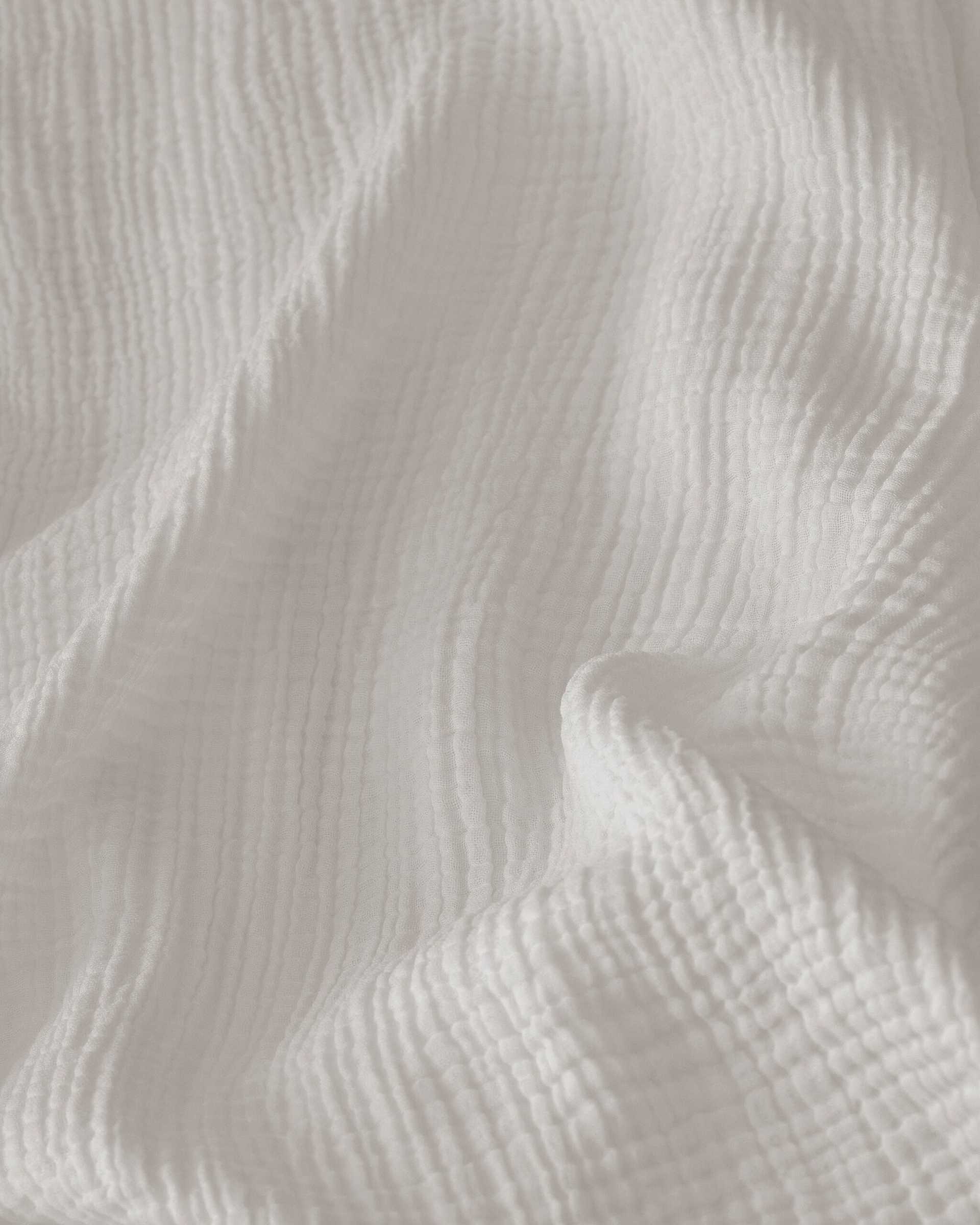
Bed covers, also known as bedspreads or duvet covers, are essential fabric layers that influence comfort, insulation, and room aesthetics. This category highlights fabrics, weave patterns, and stitching techniques that affect durability, warmth, and care requirements. Understanding fiber composition helps selecting breathable materials for year-round use and easy maintenance for busy households.
Common materials for bed covers include cotton, linen, and blends, each offering distinct texture, softness, and moisture management. Cotton provides softness and durability, linen offers temperature regulation and natural sheen, while blends balance cost and performance. Consider thread count, weight, and weave to determine suitability for different climates and bedding ensembles.
Key features to evaluate include fabric weave (percale, sateen, or twill), finish (matte or subtle sheen), and care guidelines such as machine washing and tumble drying suitability. Colorfastness and stain resistance can prolong the life of bed covers while preserving interior harmony. Layering with sheets, pillows, and bedding enhances comfort and visual coherence.
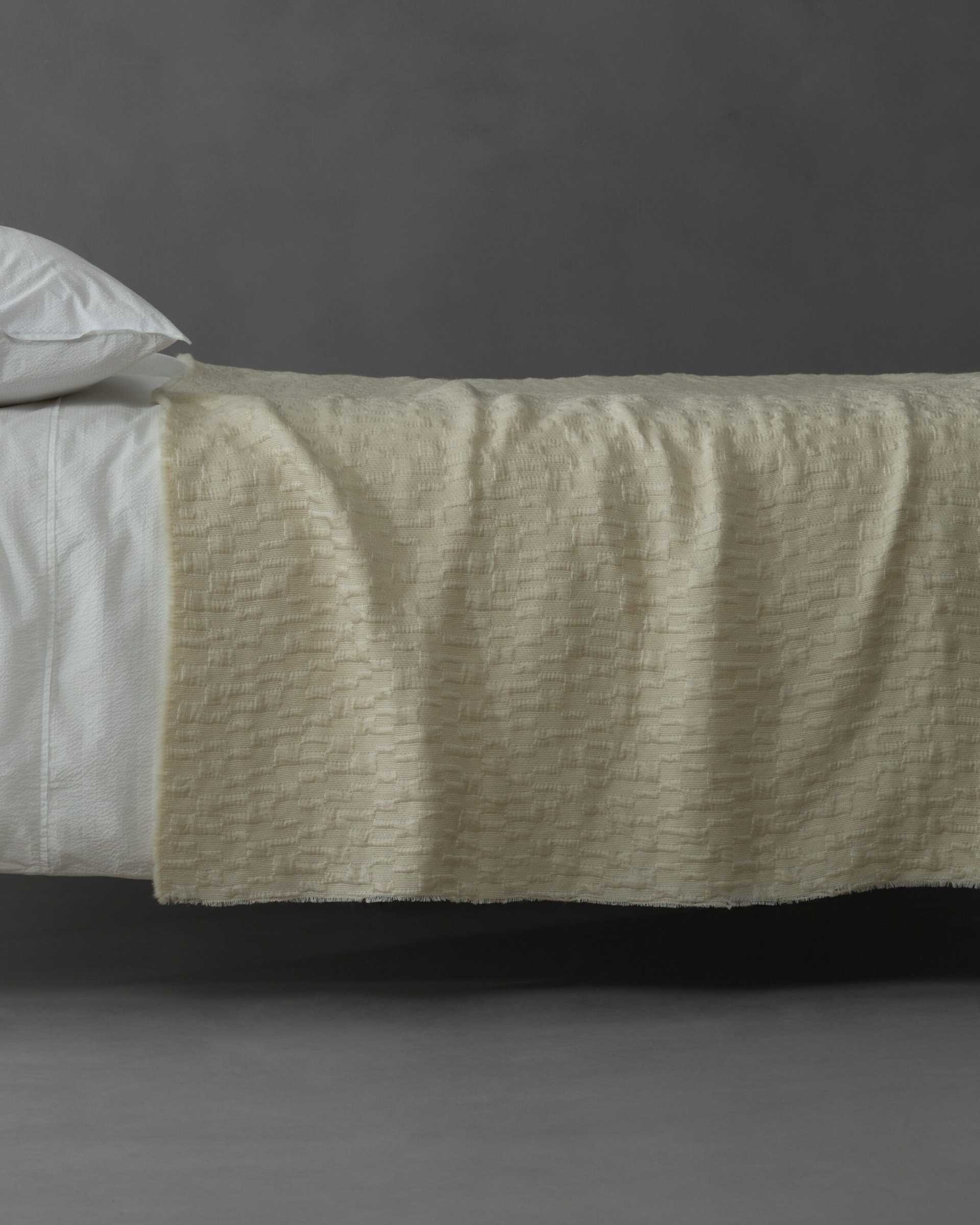
The Layal Bedcover exemplifies a focal point within this category, combining practical benefits with elegant design. It typically features durable stitching, a breathable finish, and a balanced weight suitable for diverse seasons. Functional benefits include easy temperature regulation, wrinkle resistance, and compatibility with standard duvet inserts or sheets for cohesive sleep environments.
In examining bedding options, it is helpful to align bed covers with related items like bedding, pillows, sheets, duvet covers, and bath textiles. Materials, textures, and care practices influence long-term performance, hygiene, and aesthetic appeal. By understanding fabric properties and construction, one can select bed covers that support restful sleep and durable use across bedrooms.
 Bedding