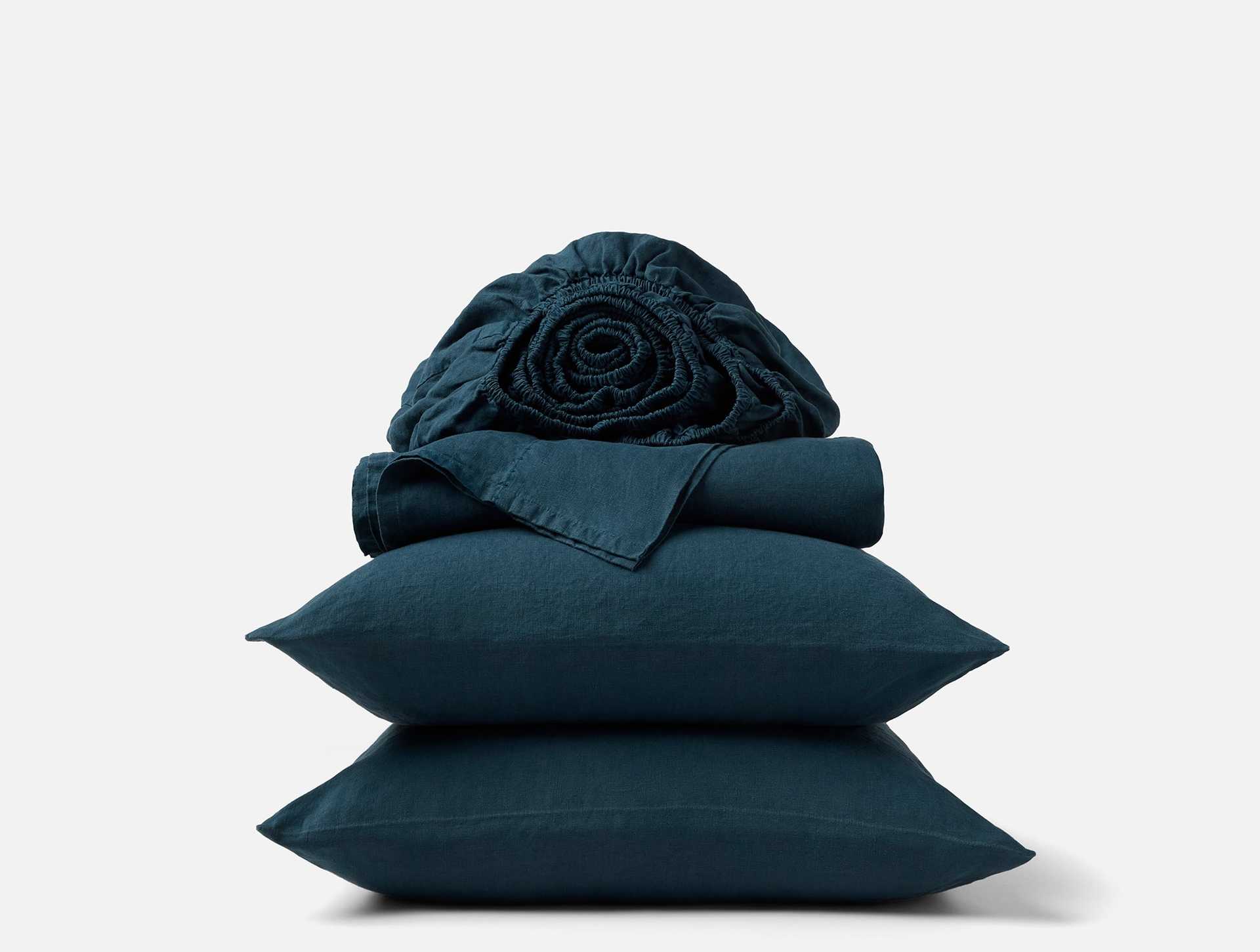
Organic Relaxed Linen Sheet Set
Sleep cooler and calmer in breathable, temperature-regulating linen that softens over time; durable, all-season comfort with a secure 15" deep pocket for perfect fit and easy care.
An editorial exploration of how natural fibers—linen and cotton—influence interior design, comfort, and sustainable living. We examine the texture of daily life in homes around the world, compare material properties, unpack brand philosophies, and offer practical guidance for choosing linens that endure. This narrative draws on insights from industry pioneers, historians, designers, and modern textile artisans to illuminate the invisible threads that hold our spaces together.
In the realm of bedding and home textiles, linen and cotton occupy complementary roles. Linen, derived from the flax plant, has a storied history in regions that value durability, breathability, and a relaxed hand. It invites a cool, airy sensation in warmer climates and offers a certain temperature regulation that many sleepers seek in hot seasons. Cotton, by contrast, provides a softer initial hand, a wide range of weaves, and a versatility that suits a breadth of design aesthetics—from crisp percale to plush sateen. The differences aren’t merely tactile; they shape how a room feels across time.
Linen’s natural hollow fibers create microchannels for air and moisture, which helps the fabric breathe with your body. This acoustic-like breathability translates into a sleep environment that remains surprisingly stable as the day gives way to night. Cotton, with its finer yarns and often tighter weaves, can deliver a smooth, even surface that reads as tailored or casual depending on the weave and finishing. When we compare care, linen tends to reward a patient routine: it softens and gains character with every wash, while cotton can offer easy-care convenience and a quick-fade-to-softness experience that many households value.
Brand philosophies increasingly influence how these fibers are sourced, finished, and certified. For readers in modern interiors, transparency about fiber origin, certifications like GOTS (Global Organic Textile Standard), and the environmental footprint of processing matter as much as the texture itself. The field has seen a renaissance of mindful production—from organic flax grown in European fields to mills that stone-wash, garment-dye, or pick-stitch to add subtle personality to the fabric.
In contemporary interiors, the narrative of a textile often travels beyond the fabric itself. Names like Coyuchi and Naturepedic (as highlighted in modern bedding catalogues) foreground certifications and sustainability as central to their identity. Coyuchi’s Organic Relaxed Linen Sheet Set exemplifies a textiles-forward approach—GOTS-certified linen, European flax, and a philosophy of comfort that grows softer with time. Naturepedic’s linen offerings similarly emphasize organic sourcing and careful processing to deliver breathable, durable sleep surfaces.
The practical effect for a reader assembling a home is clarity: choose textiles that align with your values—organic certification, fair labor practices, and responsible water use—without sacrificing tactile pleasure. When brands communicate provenance, it becomes easier to build a room that remains relevant for years.
A well-curated bed, couch throw, or window-dressing textile can anchor a space. The subtlety of a pick-stitch cuff, the texture of a froissé linen, or the garment-dyed depth of a solid cotton piece can transform a room’s mood, guiding the eye and inviting touch.
Readers often ask for actionable guidance: which fibers to choose for a seasonal wardrobe of rooms, how to weigh care routines, and what to expect in terms of longevity. Here are grounded recommendations that reflect typical domestic life.
This analysis references real-world textile examples and brands that exemplify sustainable sourcing, modern finishes, and durable design. It honors the tactile and cultural roles that linen and cotton play in shaping interiors today.